
Usambara Mountains trek: Lushoto to Mtae through farm villages in three to four days
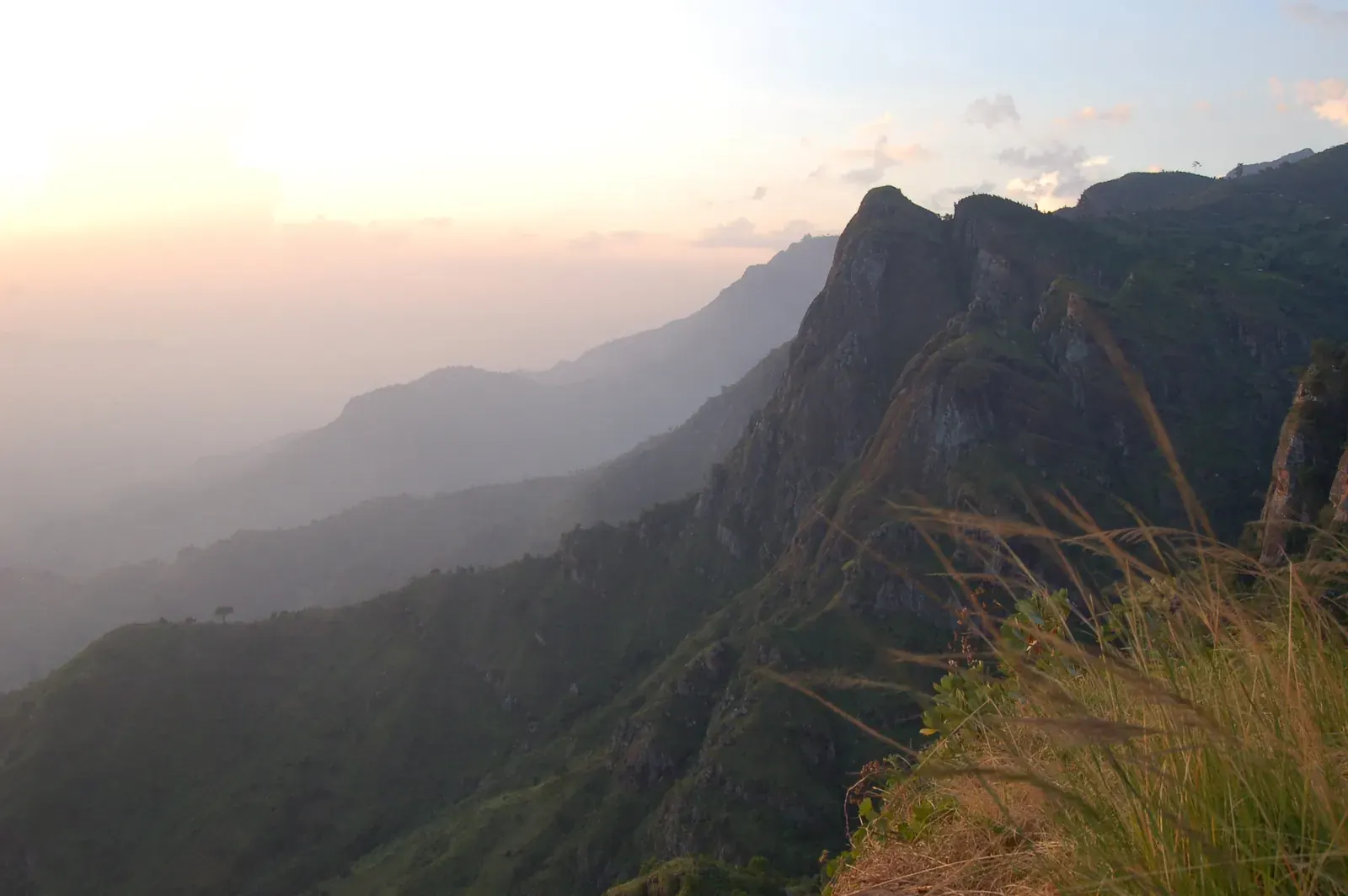
The West Usambaras rise steeply from the plains of north-east Tanzania, a green block of ridges, farms and forest that is part of the Eastern Arc mountains. The village trek starts in Lushoto, the old German hill station of Wilhelmstal, and follows footpaths and farm tracks north through Lukozi and Rangwi to the north-western edge of the range at Mtae, with wide views over the plains. It takes 3–4 days, with nights in village guesthouses, a convent and an eco-lodge rather than tents. There are no summits to bag; the draw is the views, the farms and the people. Ask your guide which forest or village fees apply. Here is what to expect, as of November 2026.
- High point
- 1,900 m · Mambo View Point (highest altitude sourced on the route)
- Duration
- 3–4 days
- Best months
- Jan–Feb, Jun–Sep
- Difficulty
- Moderate, non-technical
- Guide
- Not required
For guidance only. Check details with your operator and the official sources listed at the end before you book.
On this page
Which route should you choose?
The West Usambaras are one of the Eastern Arc ranges, an old block of mountains known for forests found nowhere else, including a two-horned chameleon that lives only here. The highest point of the range is about 2,289 m. Lushoto, the district town, is the start of almost every walk.
The classic trek heads north from Lushoto through the Magamba forest to the farming village of Lukozi, on to Rangwi, and out to Mambo View Point (about 1,900 m) and Mtae on the north-western edge, with views over the plains far below. It is a walk on footpaths and dirt roads through fields and villages, not a wilderness trek. The options below differ in the number of days.
| Route | Days | Scenery | Crowds | Acclimatisation |
|---|---|---|---|---|
| Lushoto to Mtae in 4 days itinerary belowLushoto, Lukozi, Rangwi and Mambo View Point, finishing at Mtae via Kidhege Falls. Roughly 60 km to 70 km in all, depending on the route. | 4 | Excellent | Low | Very good |
| Lushoto to Mtae in 3 daysLushoto, Lukozi and Rangwi, then straight on to Mtae or Mambo View Point. Longer days. | 3 | Excellent | Low | Very good |
| Irente viewpoint (day walk)Not a multi-day trek: about 1.5 to 2 hours each way from Lushoto to a cliff edge above the plains. A good first day before the trek. | 1 | Very good | Medium | Very good |
4-day Lushoto to Mtae in 4 days itinerary at a glance
The stages below follow a walker's report updated in September 2025. Day 1 is the longest: Lushoto to Lukozi, about 26 km, climbing past Magamba forest, with the last part downhill on a road. Day 2, Lukozi to Rangwi, about 15 km. Day 3, Rangwi to Mambo View Point, about 15 km. Day 4 is short: about 6.5 km to Kidhege Falls, then about 5 km on to Mtae. A bus leaves Mtae for Lushoto early, around 5:30 am, and takes about 2 hours.
- Day 1 Lushoto Lukozi via Magamba forest
- Day 2 Lukozi Rangwi
- Day 3 Rangwi Mambo View Point night at 1,900 m
- Day 4 Mambo View Point, via Kidhege Falls Mtae
What it really costs
Most walkers arrange this trek locally; the big booking sites have no Usambara listing page, only a few single-operator tours. The main costs are the guide, beds and meals, village fees and the Magamba forest reserve fee. Agree everything before you set off.
Insurance that covers Usambara Mountains trek
Since 1 October 2026, every foreign visitor entering mainland Tanzania must buy the government's inbound travel insurance from NIC ($44, up to 92 days). It covers emergency medical care, evacuation and repatriation within its limits; keep your own travel policy too.
Emergency number in Tanzania: 112. The UK government's travel advice warns of pickpockets on crowded buses and at bus stations, and advises hiking in groups on established routes. Check the official travel advice before you go, for example from the UK FCDO.
Staying connected in Tanzania
Tanzania's main networks are Vodacom, Airtel and Yas (formerly Tigo). Install an eSIM before you fly or buy a SIM with your passport at the airport. We found no reliable report on coverage along the trek, so download offline maps before you leave Lushoto.
Getting there and where to stay
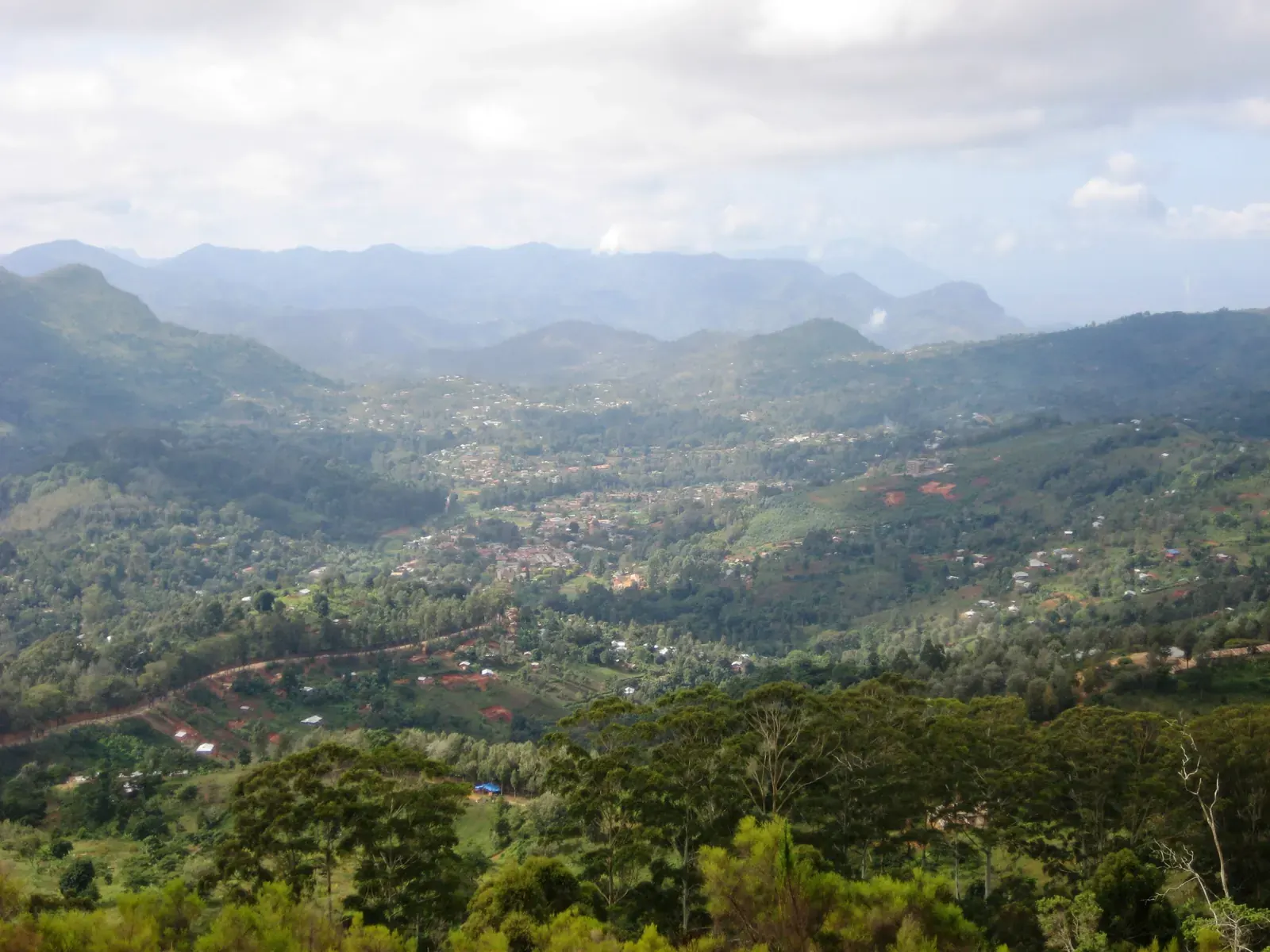
Lushoto is reached by a 32 km mountain road that climbs from Mombo, on the main road between Dar es Salaam and Moshi. From Kilimanjaro Airport (JRO) or Arusha it is about 5 to 8 hours by road; from Dar es Salaam about 6.
Getting there by air
By bus or car to Lushoto
A night in Lushoto
Gear: rent or buy
The Usambaras are cooler and wetter than the plains, and paths turn slippery after rain. Bring cash in Tanzanian shillings from Lushoto for village beds, meals and fees.
- Walking shoes or boots with grip for muddy pathsBuy
- Rain jacket and a pack coverBuy
- Warm layer for the eveningsBuy
- Daypack, water bottles and water treatmentBuy
- Headlamp and a power bankBuy
- Trekking poles for steep, slippery descentsRent or buy
- Sun hat and sunscreenBuy
Add a few days in Tanzania
Lushoto has more to explore than the trek, and the coast is a day's drive away.
Irente viewpoint
Magamba Nature Forest Reserve
Mlalo and the Gare mission
Frequently asked questions
How hard is the Usambara trek?
Moderate. Days are on footpaths and farm tracks with steady climbs and descents, and the first day, Lushoto to Lukozi, is about 26 km. There is no altitude problem: the trek stays mostly between about 1,400 m and 2,000 m, a little higher on some ridges. After rain the paths get muddy and slippery.
Do I need a guide?
We found no rule that requires one, and some walkers have done it alone with GPS tracks. Many walkers go with a local guide, who knows the paths, arranges beds and pays village fees. Guides can be arranged at the tourist centre in Lushoto or through local guide groups; agree the price first. The UK government advises hiking in groups on established routes.
Where do I sleep?
Village guesthouses, a convent that takes walkers in Rangwi, and Mambo View Point eco-lodge near Mtae. Rooms in the villages are basic; ask your guide what is included.
What about food, dietary needs and faith on the trek?
The Shambaa people of the Usambaras include many Muslims and many Christians, but we found no source on halal food along the trek. Ask your guide or lodge how meat is sourced, or ask for vegetarian meals; maize (ugali), cassava, bananas and vegetables are local staples. Tell your guide about any vegan diet, allergy or other need before you set off. Kosher food is not something to expect on this trek; bring your own if you need it.
If you pray or keep another religious practice, ask your guide to plan stops; the walking days are flexible because there is no park schedule. Ramadan 2027 is expected to start around 8 February 2027; if you fast, the flexible days make it easier to walk in the cooler morning hours.
Which languages do guides speak?
Expect Swahili; we found no source on which other languages the guides speak. Before you hire, ask whether your guide speaks English, or another language you need, such as Arabic, French or Spanish.
Which visa and insurance do I need?
It depends on your passport: check the current rules on the official Tanzania immigration website before you book. The ordinary Tanzania visa costs $50 (single entry), by eVisa or on arrival; citizens of Saudi Arabia, the UAE, Qatar, Kuwait, Bahrain and Oman, for example, need it. Since 1 October 2026 foreign visitors must also buy the NIC inbound travel insurance ($44) before entry. A stop of 12 hours or more in Kenya or Ethiopia also means a yellow fever certificate.
Can I book it on the big booking sites?
When we checked in November 2026, neither TourRadar nor Bookatrekking had a listing page for the Usambara trek, so this page has no booking links. It is arranged in Lushoto or added by some safari operators to a wider Tanzania trip.
When should I go?
The drier months between the rains, usually June to September and January to February; the 2026 short rains may run into January 2027.
Sources and last check
- Wikipedia: Usambara Mountains, highest point 2,289 m, endemic species (checked 6 Nov 2026)
- Wikipedia: Lushoto, Wilhelmstal history (checked 6 Nov 2026)
- Eastern Arc Mountains Conservation Endowment Fund: West Usambara (checked 6 Nov 2026)
- Tanzania Forest Services: Magamba Nature Reserve leaflet (area, altitude, fees)
- Walker's report: Lushoto to Mtae, stages, distances and beds (updated 7 Sep 2025)
- Wikivoyage-based guide to Lushoto: routes, buses, Irente walk (checked 6 Nov 2026)
- Lonely Planet: Mambo View Point Eco Lodge, about 1,900 m (checked 6 Nov 2026)
- Utah State University Usambara Project: Mlalo (checked 6 Nov 2026)
- Utah State University Usambara Project: Gare monastery (checked 6 Nov 2026)
- Safari.co.za: Lushoto and the Usambara Mountains, guided hikes from the tourist centre (checked 6 Nov 2026)
- Tanzania Odyssey: Lushoto, Mombo road, Mtae bus, guide charges (Feb 2023, updated Dec 2024)
- Planet Forward: Friends of Usambara community tourism (10 Mar 2018)
- UK government research: seasons in Lushoto district
- Tanzania Meteorological Authority short-rains outlook 2026, via Daily News (21 Sep 2026)
- Tanzania Immigration: visa guidelines (checked 6 Nov 2026)
- Embassy of Norway in Tanzania: mandatory inbound travel insurance from 1 October 2026
- ATTA: inbound travel insurance prices and validity (29 Sep 2026)
- Ministry of Health: yellow fever entry requirement, 31 Jul 2023
- UK FCDO Tanzania travel advice, safety and emergency number 112 (updated 30 Oct 2026)
- Nonstop flights from Dar es Salaam (checked 6 Nov 2026)
- Ramadan 2027 expected dates (6 Oct 2026)