
Everest Base Camp trek: routes, permits, costs and what to expect
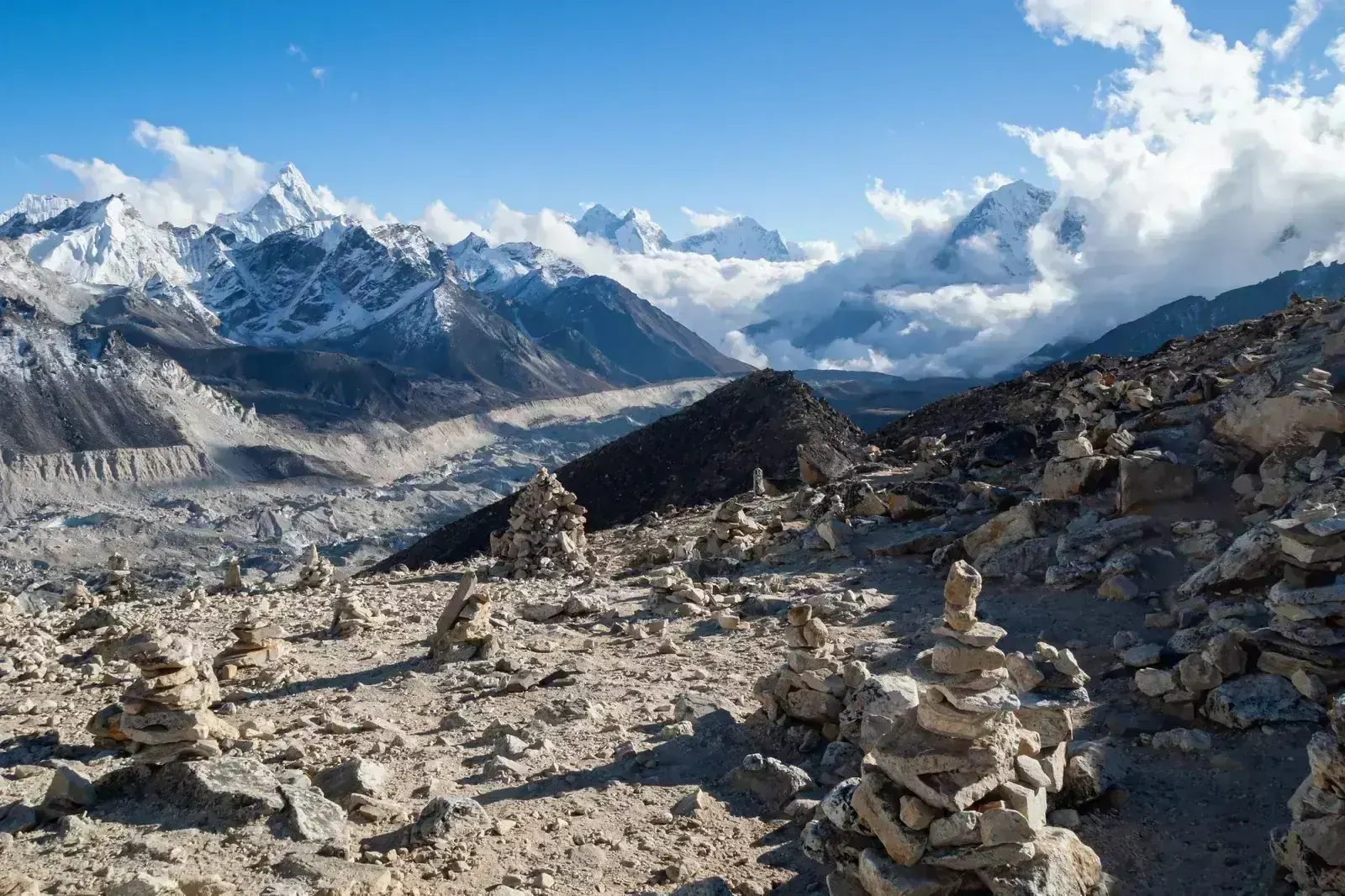
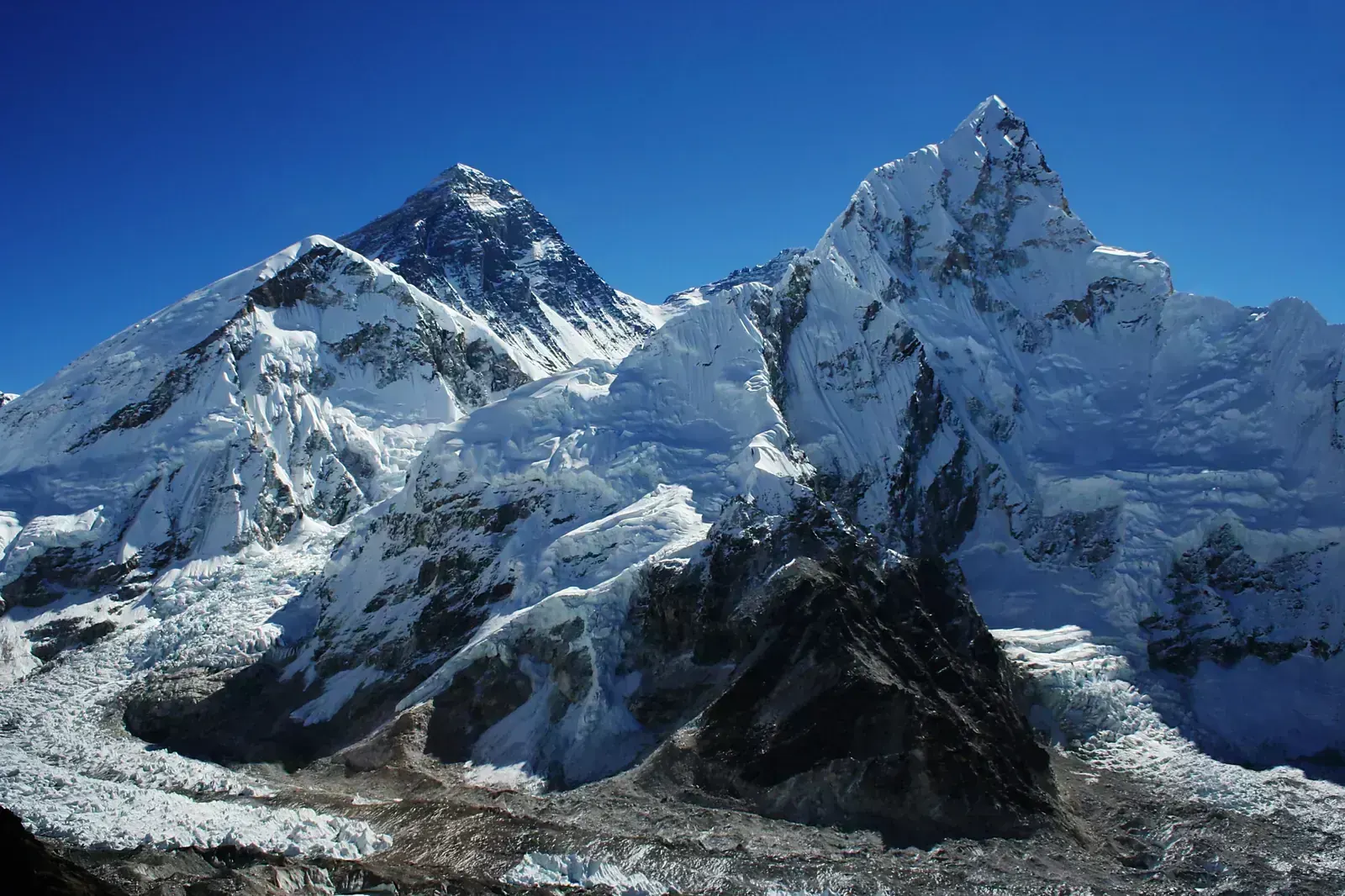
The classic Himalayan trek: from the airstrip at Lukla up the Khumbu valley, through the Sherpa town of Namche Bazaar and the monastery at Tengboche, to the foot of the Khumbu Icefall at 5,364 m and the Kala Patthar viewpoint facing Everest. No climbing skills are needed, but you sleep above 5,000 m and the altitude is the real test. Here is what to expect, from the Lukla flights to the cold nights at Gorak Shep.
- High point
- 5,645 m · Kala Patthar
- Duration
- 12–14 days
- Best months
- Mar–May, Oct–Nov
- Difficulty
- Hard, non-technical
- Guide
- Required by park rules
- Typical cost
- $800–3,000estimate per person
For guidance only. Check details with your operator and the official sources listed at the end before you book.
Where to book and compare Everest Base Camp trips
Booking sites · affiliate linksEach site lists trips from several operators. Compare dates, group sizes, what is included and reviews there; we don't rank operators.
We earn a commission if you book through these links, at no extra cost to you. Prices and availability are on each site.
On this page
Which route should you choose?
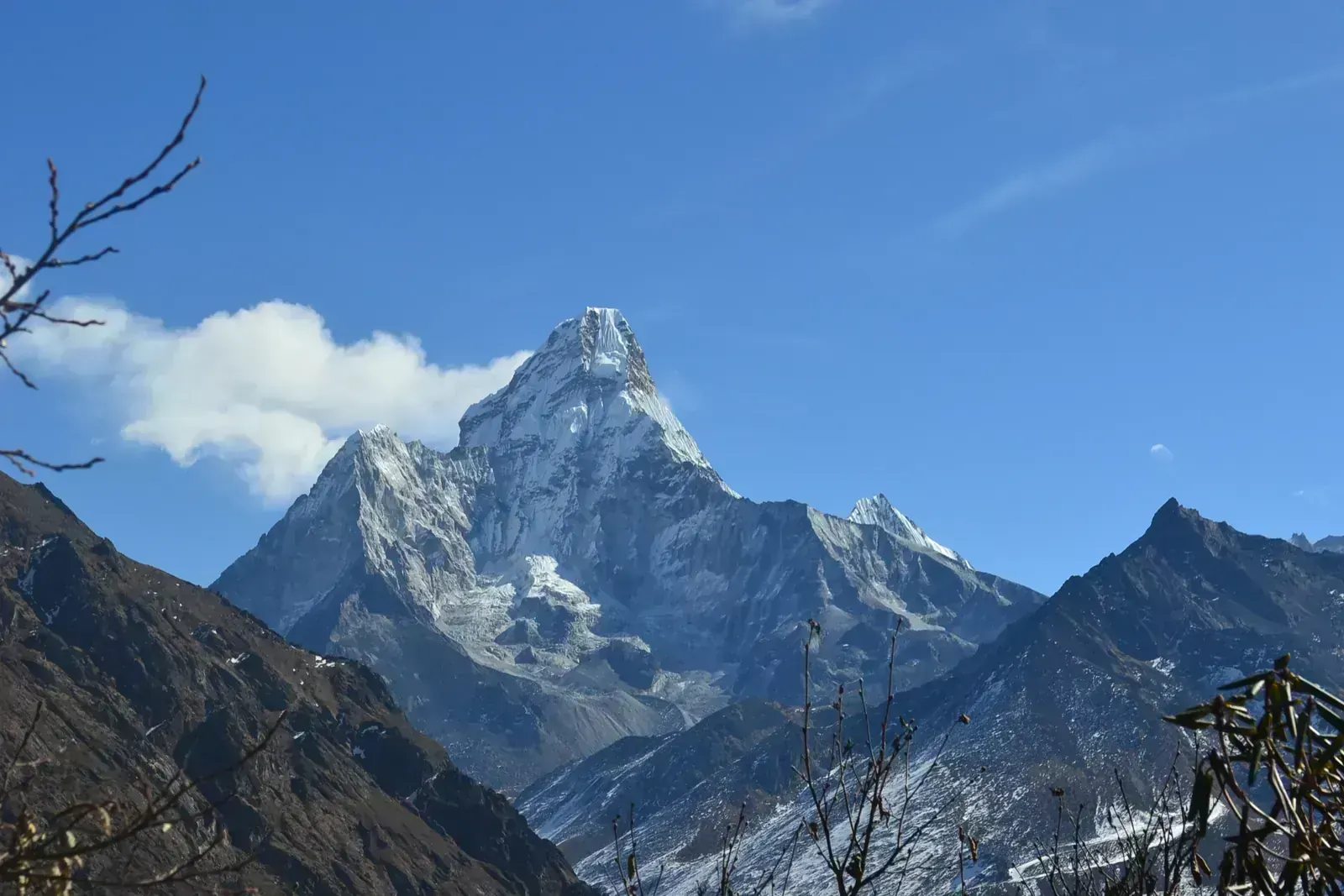
Almost everyone flies to Lukla and walks up the Dudh Koshi and Khumbu valleys to Gorak Shep, the last lodges below base camp, then comes back the same way. The variants change how you approach or leave: over the Cho La pass via the Gokyo lakes, on foot from Jiri as the first expeditions did, or by helicopter on the way down.
The trail is wide and well marked, with teahouses every hour or two up to Lobuche. It is busy in October and April, and you share it with yak and porter trains: step to the hillside, never the drop, when they pass.
| Route | Days | Scenery | Crowds | Acclimatisation |
|---|---|---|---|---|
| Classic return from Lukla itinerary belowUp and back the same valley with two acclimatisation days, in Namche and Dingboche. Days counted from Kathmandu; add one or two spare days for Lukla weather. | 12–14 | Excellent | High | Very good |
| Gokyo Lakes and Cho LaAdds the turquoise Gokyo lakes and Gokyo Ri, then crosses the Cho La pass (about 5,420 m) to join the main trail. The pass can be icy and closes in heavy snow. | 15–17 | Excellent | Medium | Very good |
| Jiri walk-inThe pre-airport approach used by the 1953 expedition. A long drive to Jiri, about six days of hill walking to Namche, then the classic route, usually flying out from Lukla. | 20–22 | Very good | Low | Very good |
| Trek up, helicopter downThe same ascent and acclimatisation days, then a helicopter back from Gorak Shep instead of three or four days of walking down. Shared seats and private charters are sold. | 9–11 | Excellent | High | Very good |
11-day Classic return from Lukla itinerary at a glance
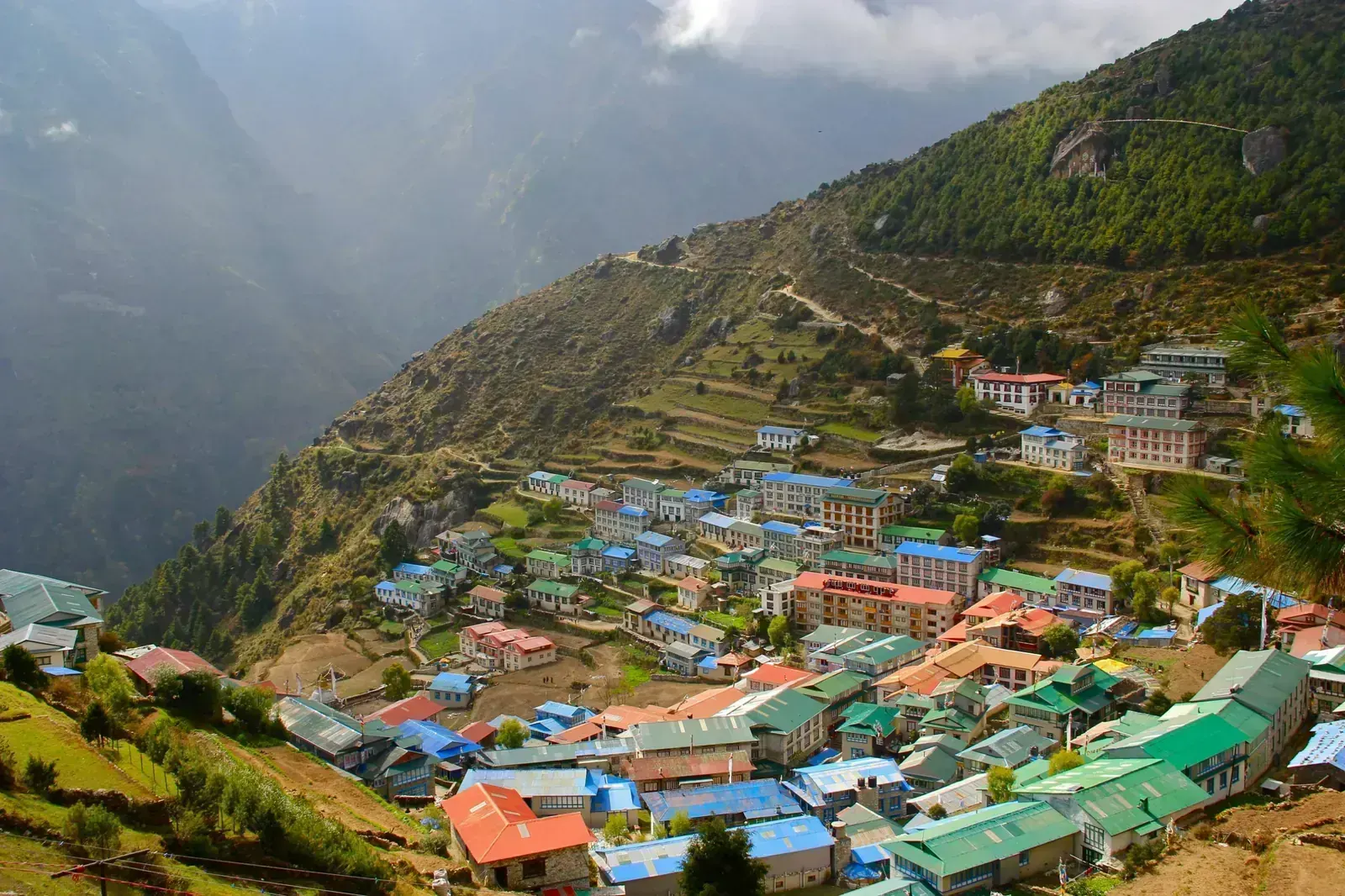
The itinerary below is the common 11 days on foot from Lukla to Lukla, with nights at Namche and Dingboche spent twice so the body can adjust. Most stages are 5–7 hours. Day 8 is the long one: Lobuche to Gorak Shep, then on to Everest Base Camp and back. Day 9 starts before dawn with the climb of Kala Patthar for sunrise on Everest, then a long descent to Pheriche.
Short on time? Fly to Lukla, walk to Namche and spend a day hiking up to the Everest View Hotel at Syangboche (about 3,880 m) and back through Khumjung: Everest is in sight on a clear morning, and you stay well below the altitude of the full trek.
- Day 1 Lukla (flight) Phakding night at 2,610 m
- Day 2 Namche Bazaar night at 3,440 m
- Day 3 Namche Bazaar (acclimatisation day) night at 3,440 m
- Day 4 Tengboche night at 3,860 m
- Day 5 Dingboche night at 4,410 m
- Day 6 Dingboche (acclimatisation day) night at 4,410 m
- Day 7 Lobuche night at 4,940 m
- Day 8 Gorak Shep via Everest Base Camp 5,364 mnight at 5,164 m
- Day 9 Pheriche via Kala Patthar 5,645 mnight at 4,240 m
- Day 10 Namche Bazaar night at 3,440 m
- Day 11 Lukla night at 2,860 m
What it really costs
Package prices depend on group size, lodge level, flights and whether a helicopter is involved, so compare them on the booking sites. These are the costs to plan around if you build the trek yourself or check what a package includes.
Insurance that covers Everest Base Camp
You will sleep above 5,000 m and climb to about 5,645 m, so check that your policy covers trekking to at least that height; many trekkers choose cover to 6,000 m. It must include helicopter evacuation: a rescue from the upper Khumbu costs several thousand dollars and helicopters fly only once someone confirms payment.
The Himalayan Rescue Association runs an aid post in Pheriche in spring and autumn, with volunteer doctors and a free talk on altitude sickness in the afternoon. Keep your policy number and the insurer's emergency line on paper as well as on your phone.
Staying connected in Nepal
Nepal Telecom (NTC) and Ncell both have signal in most villages up to about Lobuche, with gaps in between. An eSIM installed before you fly works on landing in Kathmandu; local SIM cards are sold at the airport with your passport and a photo.
Higher up, lodges sell wifi by the device, and the Everest Link network sells data cards valid for a month. Expect it to be slow at Gorak Shep, and download offline maps before Lukla.
Getting there and where to stay
Fly into Tribhuvan International Airport (KTM) in Kathmandu. The trek starts with a short mountain flight to Lukla (about 2,860 m). In the busy months, roughly March to May and September to November, Lukla flights leave from Manthali airport in Ramechhap instead of Kathmandu: a drive of about 4–5 hours, often longer, usually starting in the middle of the night. Check where your flight departs when you book.
Getting there by air
Spare nights in Kathmandu
Kathmandu to Ramechhap
Gear: rent or buy
Nothing technical, but serious cold: nights at Gorak Shep drop well below −10 °C, and bedrooms are not heated. A warm sleeping bag and a down jacket matter more than anything else, and both can be rented in Kathmandu or Namche.
- Broken-in trekking boots with ankle supportBuy
- Sleeping bag rated to about −15 °CRent
- Down jacketRent
- Fleece or synthetic mid-layers and thermal base layersRent or buy
- Warm hat, gloves and liner glovesBuy
- Sunglasses with high UV protection and sunscreenBuy
- Trekking poles for the long descentsRent or buy
- Water bottles and purification tablets or a filterBuy
- Headlamp for the pre-dawn climb of Kala PattharBuy
- Duffel bag of 10 kg or less for the Lukla flightRent or buy
Add a few days in Nepal
Kathmandu Valley has seven monument zones on the UNESCO World Heritage list, all within an hour of the city centre; spare days waiting for Lukla flights are a good time to see them.
Boudhanath Stupa
Bhaktapur Durbar Square
Everest mountain flight
Frequently asked questions
How hard is the Everest Base Camp trek?
It is a long walk at high altitude, not a climb. Expect about 115 km to 130 km over 11 days on foot from Lukla, 5–7 hours a day, with nights up to about 5,160 m at Gorak Shep. Regular walkers in good health manage it; the altitude, not the distance, is what turns people back. There are no technical sections.
Do I need a guide?
Since April 2023, Nepal's rules say foreign trekkers in national parks must have a licensed guide. In the Everest region the local municipality has not enforced the rule and issues its own permit to independent trekkers, so many still walk without one (reported October 2026). Rules in Nepal change: check the current position with the Nepal Tourism Board or your operator before you go.
Which permits do I need?
Two: the Sagarmatha National Park entry fee, NPR 3,000 for foreigners, paid at Monjo, and the Khumbu Pasang Lhamu Rural Municipality fee, NPR 3,000, paid in Lukla or Monjo. Together that is roughly $45–50. No TIMS card is needed in the Everest region. Fees are paid in rupees, in cash.
What about food, dietary needs and faith on the trek?
Vegetarian dal bhat (rice, lentils and vegetables), noodles, eggs and bread are on every menu, so eating vegetarian is easy. There is no halal meat on the trail: meat is flown to Lukla and carried up by porters, and it is not slaughtered locally. If you need halal or vegan food or have an allergy, tell your operator when you book and bring snacks for your diet from Kathmandu, where Thamel has halal restaurants. Kosher food is not something to expect on the trail; bring your own if you need it.
If you pray, use your room or a quiet corner and agree times with your guide. There are no mosques on the route; in Kathmandu, the Nepali Jame Masjid stands near the clock tower. A light prayer mat and a qibla app help if you need them; water for wudu or washing is ice-cold high up.
Which languages do guides speak?
Most guides speak English and Nepali. If you need another language, such as Arabic, French or Spanish, ask operators before booking whether they can assign a guide who speaks it. A private trek gives you the most say in who walks with you.
Should I tip the guide and porter?
Yes, tipping at the end of the trek is customary in Nepal and a real part of guides' and porters' income. A common rule of thumb is about $10–15 a day for a guide and $7–8 a day for a porter, in cash. Ask your operator what is usual for your group.
Which visa do I need?
It depends on your passport: check the current rules with Nepal's Department of Immigration before you fly. A tourist visa on arrival at Kathmandu airport costs $30 for 15 days, $50 for 30 days or $125 for 90 days. Citizens of Saudi Arabia, the UAE, Qatar, Kuwait, Bahrain and Oman, for example, can get one; holders of some other passports, such as Iraqi, Syrian or Afghan, must apply at an embassy first. With spare days for Lukla flights, most people need 30 days.
Why do Lukla flights leave from Ramechhap?
To ease congestion at Kathmandu airport, Nepal moves most Lukla flights to Manthali airport in Ramechhap during the busy seasons, roughly March to May and September to November. It means a drive of about 4–5 hours from Kathmandu, usually in the middle of the night. Dates change each season, so check with your airline or operator.
Can I get altitude sickness?
Yes, and it is the main risk of this trek. Symptoms often start above 4,000 m, around Dingboche and Lobuche. Climb slowly, take both acclimatisation days, drink enough and tell your guide about headaches, nausea or breathlessness. If symptoms get worse, go down. Read our altitude sickness guide before you go.
Is there wifi or phone signal?
Mobile signal works in most villages up to about Lobuche. Lodges sell wifi by the device, and Everest Link sells data cards valid for a month. Charging phones costs a few dollars per device, so a power bank helps.
When is the best time to go?
March to May and October to November. October usually brings the clearest skies; spring is warmer, with rhododendrons in flower lower down. The monsoon, from June to mid-September, hides the mountains and disrupts flights. Winter is possible with good gear, with clear days and very cold nights.
Sources and last check
- Wikipedia: Everest base camps
- Wikipedia: Kala Patthar
- The Longest Way Home: national park entry fees in Nepal (updated January 2026)
- Himal Press: entry fee to the Everest region raised (July 2024)
- ExplorersWeb: guide rule not enforced in the Khumbu (October 2026)
- Kathmandu Post: the 2023 guide rule and the Everest region
- Kantipur: Manthali–Lukla flights in autumn 2026 (October 2026)
- Himalayan Rescue Association: Pheriche aid post
- Embassy of Nepal: visa information and fees
- Follow Alice: daily distances on the Everest Base Camp trek (October 2026)
- CDC Yellow Book: high-altitude travel and altitude illness